Technology
À lire aussi

What are the functionalities of an NFC business card and how can they transform your professional exchanges?
.png)
Marketplace, Waalaxy integration, offline AI scanner, badge folders, multilingual app... WEMET is opening up to your ecosystem this month. Discover all the new features and our tips for getting the most out of them.
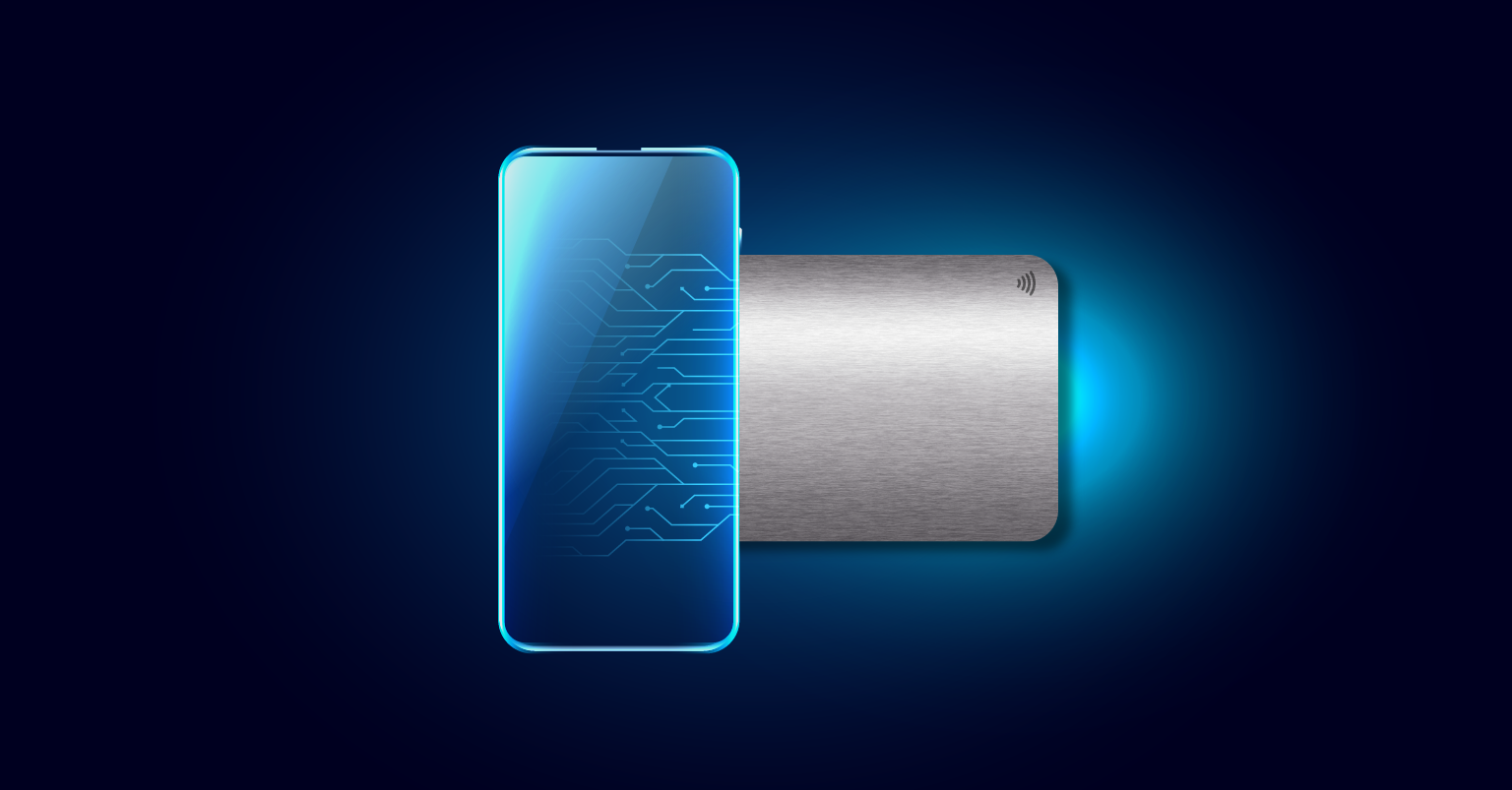
Metal business cards impress with their high-end appearance and robustness, but are they really suitable for modern use, especially for NFC cards? The answer is no. Here's why metal business cards aren't a good idea, both technologically and environmentally.
One of the main advantages of business cards connected in NFC is their ability to transmit information instantly via NFC (Near Field Communication) technology. However, metal blocks NFC waves, making these cards incompatible with this technology.
To overcome this incompatibility, some companies add a second layer of PVC or plastic on one side of the card. This allows NFC to work, but it removes the interest of the metal and creates a hybrid card that loses its original appeal.

While many businesses are looking to adopt more sustainable practices, metal is not an environmentally friendly choice for a business card. Here's why:
Metal cards are often much more expensive than their alternatives made of wood or recycled plastic. However, they do not provide any additional features that would justify this investment.
Metal cards may seem luxurious, but they have several practical problems:
If you are looking for a premium and sustainable card, here are some options that are much more suitable:
Although attractive on paper, the metal business card has many limitations: incompatibility with NFC, negative environmental impact, high cost and lack of practicality. If you want a modern and connected card, it is better to opt for more suitable materials, such as wood or recycled PVC.
Are you looking for a connected and ecological business card? Discover the alternatives on WEMET and adopt an effective and responsible solution.
WEMET est une worktech toulousaine qui vise à révolutionner les échanges professionnels. En 2020, son cofondateur Samuel Dassa part d’un constat :
les cartes de visite papiers ne sont pas pratiques et plus adaptées au monde du travail actuel.
Ainsi, est née la carte de visite connectée : la WeCard. Grâce à la technologie NFC, que l’on retrouve dans le paiement sans contact par exemple, elle vous permet d’échanger un large panel d’informations. La valeur clé chez WEMET c’est l’expérience utilisateur. Il était donc important pour nous de faire évoluer notre produit en innovant au quotidien mais également de vous garantir un produit qui évolue avec et tout au long de vos projets professionnels.

Première société à proposer la carte de visite connectée sur le marché français, WEMET compte aujourd’hui plus de 20 000 entreprises équipées, 200 000 utilisateurs de WeCards et plus de 10 collaborateurs.