Marketing and sales

À lire aussi
The printing price is just the tip of the iceberg: 7 hidden costs that drive up the real bill for your business cards.
.png)
Marketplace, Waalaxy integration, offline AI scanner, badge folders, multilingual app... WEMET is opening up to your ecosystem this month. Discover all the new features and our tips for getting the most out of them.
This article details the performance indicators (KPIs) essential to transform the activity of your mobile teams into concrete results, by combining analytical precision and modern technological tools.

Managing an itinerant sales team presents specific challenges compared to sedentary teams: geographical distance, difficulty of real-time monitoring and high operational costs. Understanding the nature and usefulness of KPIs (Key Performance Indicators) is the first step in turning these constraints into growth drivers.
A field sales force KPI is a quantifiable measure used to assess the success of an organization, team, or individual in relation to specific operational and strategic goals. Unlike generic metrics, a performance indicator (KPI) “field” must take into account the specificities of mobility: travel time, customer face-to-face and logistics.
It's not just about monitoring sales volume, it's about dissecting the process that leads to sales. A good indicator should be “actionable.” Knowing that turnover has fallen by 10% remains an observation; knowing that the number of prospecting visits has fallen by 15% while the transformation rate is stable offers an immediate course of action.
Field KPIs are generally divided into two categories:
The absence of precise indicators is like flying blindly. For a field sales force, where the cost of a physical visit is estimated between €150 and €400 depending on the sector, optimizing resources becomes critical. The indicators make it possible to align the efforts of the teams with the global corporate strategy, to identify bottlenecks in the sales cycle and to justify investments.
The digitalization of trade also requires increased visibility on interactions that were once “invisible”. This is where technology plays a pivotal role. Through WEMET, we offer advanced statistics to analyze the use of connected business cards. Concretely, managers can know how many times a profile has been shared or consulted after a physical meeting, which offers valuable data on the real effectiveness of field interactions, well before signing a contract.
To get a 360-degree view of your performance, building a balanced dashboard is essential. It must combine financial data, activity metrics and quality indicators. Here are the essential KPIs, structured for in-depth analysis.
These indicators are the final verdict of your commercial actions. They must be monitored monthly and quarterly to validate the profitability of your strategy.
If financial results are the “what,” business indicators are the “how.” They make it possible to correct the situation before the end of the term.
Monitoring these field interactions often remains the weak point of Classic CRMs, because manual entry is tedious. WEMET lead capture facilitates the monitoring of commercial interactions in the field: when an employee scans a paper card or share your profile, the interaction is digitized instantly. This automation ensures that 100% of the first contacts are recorded, which makes it possible to accurately measure the volume of real prospecting activity.
Performance should not come at the expense of customer relationships. Qualitative indicators are necessary to ensure the sustainability of the portfolio.
Having a list of indicators is not enough; you have to know how to orchestrate, analyze and use them to manage them. Poor implementation can lead to administrative overload or to team demotivation.
For your KPIs to be adopted, they must meet the SMART methodology: Specific, Measurable, Achievable, Realistic and Time-bound. Instead of asking for “more prospecting”, set a goal of “15 new qualified contacts per week in the Northern Sector”.
The choice of tools is decisive for the reliability of the data. CRM (Customer Relationship Management) remains the backbone of this system. However, the quality of the data depends on the ease of entry. That is why theWEMET CRM integration automatically centralizes field prospecting data. By connecting our solutions to your CRM (Salesforce, HubSpot, Pipedrive, etc.), the contact sheets created during physical meetings are directly injected into your pipeline, which eliminates input errors and guarantees up-to-date dashboards in real time.
Here are the essential criteria for your tracking tools:
Data analysis must be done at two time levels:
Cross-referencing data remains essential. A salesperson with a lot of appointments but few closings may have a qualification or sales technique problem. Conversely, a salesperson with few appointments but a high conversion rate may need support with pure prospecting.
KPIs should not be seen as monitoring tools, but as tools for progress.
Management by KPIs goes well beyond an accounting exercise; it is a structuring approach that aligns your field teams with the company's vision. By selecting the right indicators, from business volume to customer satisfaction to conversion rates, you transform raw data into business intelligence.
The integration of modern tools such as WEMET in this ecosystem makes it possible to make the collection of this data reliable at the source, where the action takes place: in the field. By removing administrative friction and providing visibility into physical interactions, you empower your managers to make informed decisions and your salespeople the freedom to focus on what they do best: selling.
Sales KPIs are performance indicators used to assess sales effectiveness. The most common ones include Sales (CA), Conversion Rate (Win Rate), Customer Acquisition Cost (CAC), Average Order, Sales Cycle Length, and Retention Rate.
Although often associated with the marketing mix, in the context of performance KPIs, we can refer to:
For complete management, the indicators are classified into four families:
To choose the right KPIs, start from your strategic goals (e.g. growth vs profitability). Select 3 to 5 major indicators so as not to drown out your teams, make sure they are measurable via your CRM, and check that they are directly influenced by the action of field sales representatives.
WEMET est une worktech toulousaine qui vise à révolutionner les échanges professionnels. En 2020, son cofondateur Samuel Dassa part d’un constat :
les cartes de visite papiers ne sont pas pratiques et plus adaptées au monde du travail actuel.
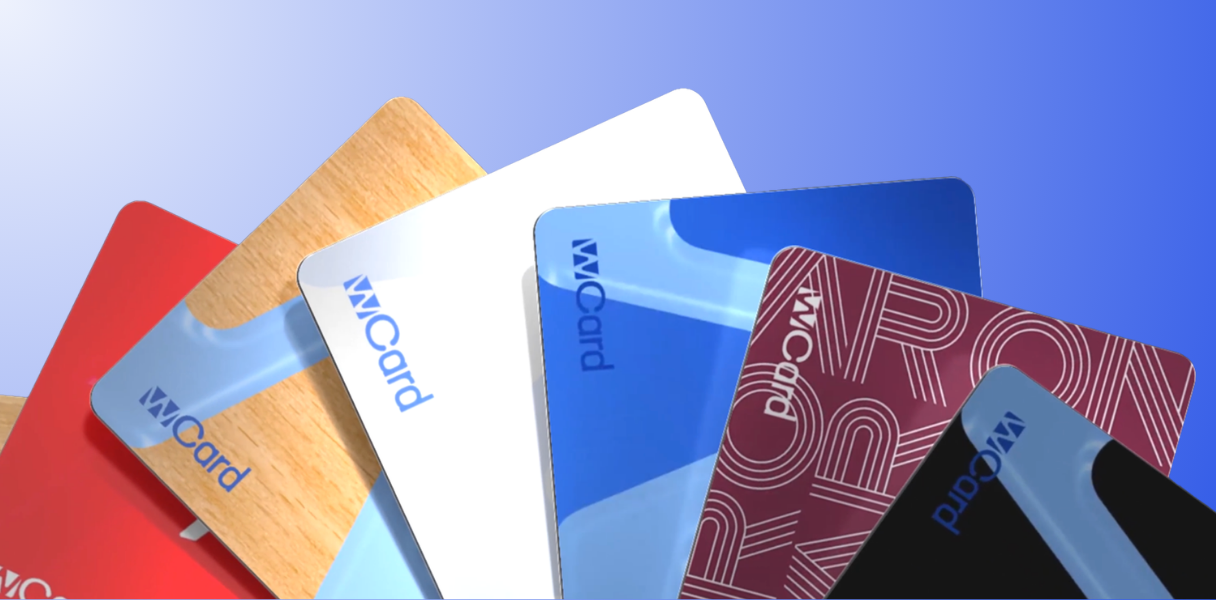
Ainsi, est née la carte de visite connectée : la WeCard. Grâce à la technologie NFC, que l’on retrouve dans le paiement sans contact par exemple, elle vous permet d’échanger un large panel d’informations. La valeur clé chez WEMET c’est l’expérience utilisateur. Il était donc important pour nous de faire évoluer notre produit en innovant au quotidien mais également de vous garantir un produit qui évolue avec et tout au long de vos projets professionnels.

Première société à proposer la carte de visite connectée sur le marché français, WEMET compte aujourd’hui plus de 20 000 entreprises équipées, 200 000 utilisateurs de WeCards et plus de 10 collaborateurs.