Technology

À lire aussi
Digitalization in the hotel industry brings a multitude of benefits and increased personalization of the customer experience.
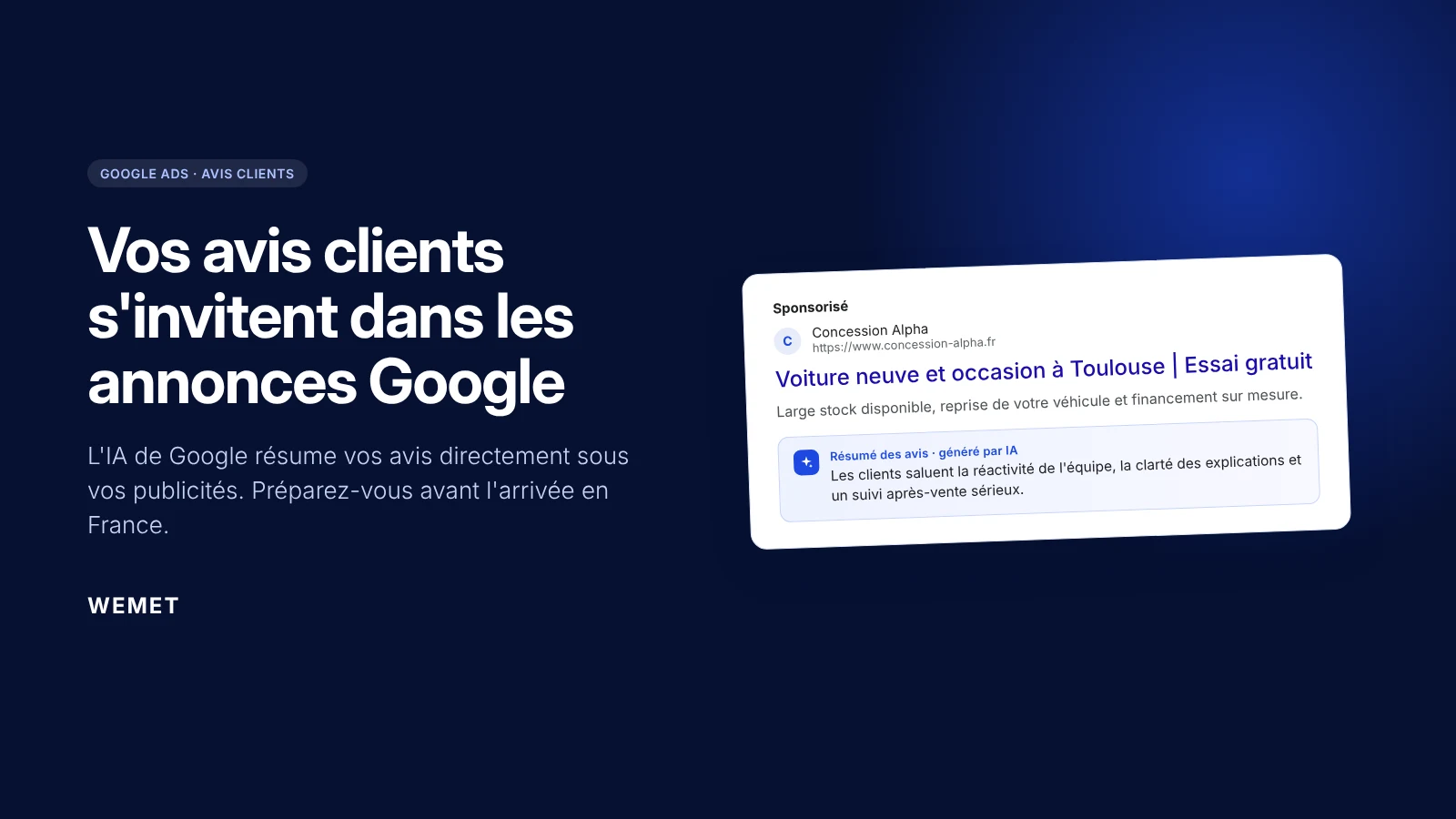
At the end of October 2026, Google officially introduced "review summaries": AI-generated summaries of customer reviews displayed directly in Search ads. For now, the feature is available in English in the United States, the United Kingdom, Australia, and India. But the message is clear: your reviews are no longer just for your Google Business Profile. They are becoming a key advertising asset.
Digitalization in the hotel industry brings a multitude of benefits and increased personalization of the customer experience.
Hotels can collect data on guest preferences and use this information to offer tailored services, from room personalization to local activity recommendations.
This creates a more memorable experience tailored to each guest's individual needs.
La Technology also helps improve service efficiency, thanks to real-time feedback systems, faster responses to guest requests, and smoother communication. Guests appreciate the ease with which they can communicate with hotel staff and get quick responses to their needs.
Digitalization offers numerous benefits for optimizing internal management in the hospitality sector.
It significantly simplifies administrative and management processes. Hotel management software allows for centralized management of bookings, billing, accounting, and inventory, which reduces human error and improves operational efficiency.
Workforce management systems simplify scheduling, tracking work hours, and managing leave, which contributes to better human resource management.
Digital data collection is also a key element of internal optimization. Hotels can use data analytics to understand booking trends, guest preferences, and property performance, enabling informed decision-making.
The digital room directory, also known as a "digital guest guide," is an innovative digital solution offered by many hotels to enhance the guest experience. It is an interactive touchscreen installed in the hotel room, allowing guests to access a variety of personalized information and services. It can also be integrated directly into the hotel's mobile app.
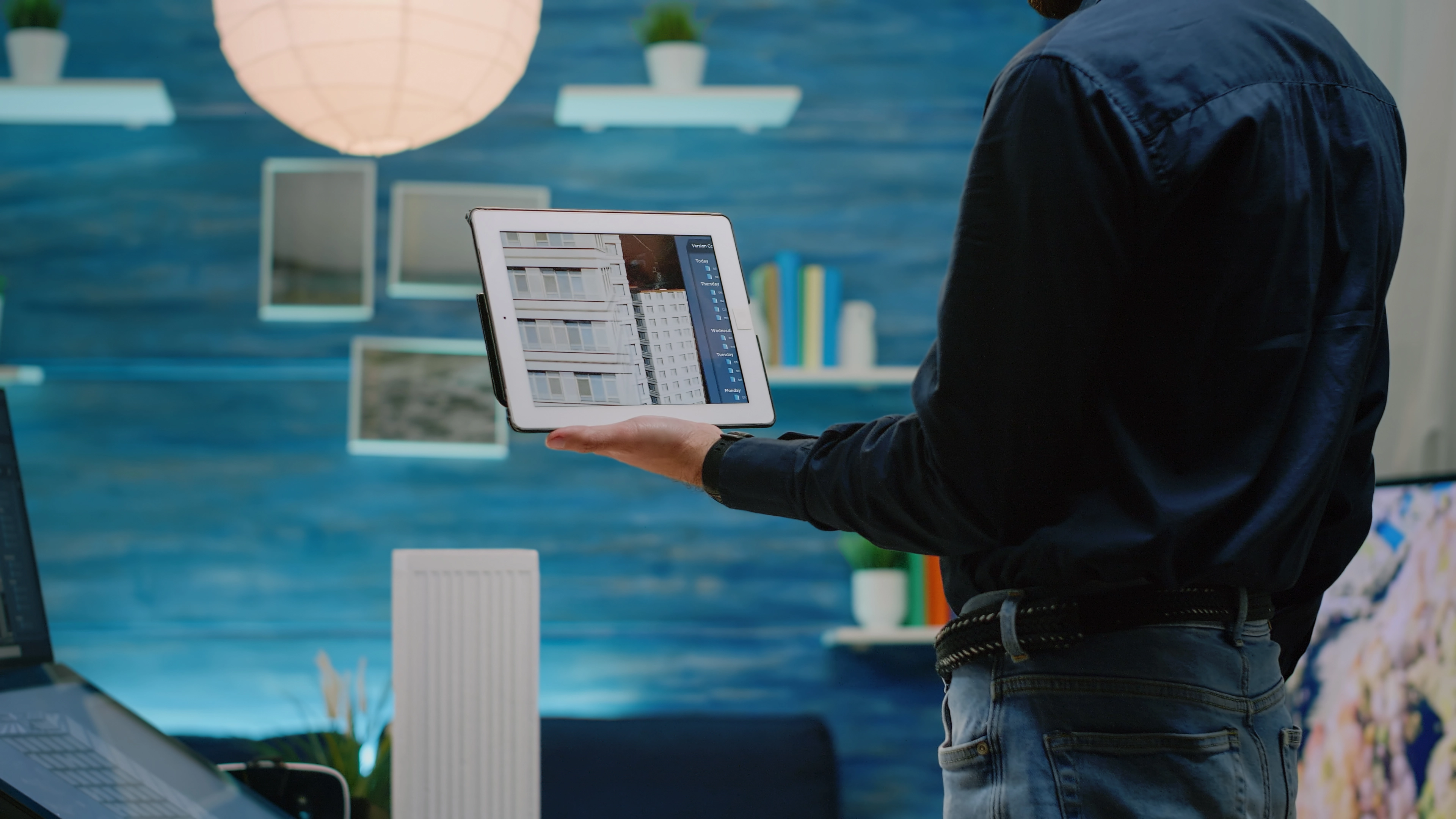
In practical terms, a digital room directory gives guests the ability to view information specific to their room, such as housekeeping schedules, current bookings, or even personalized recommendations for local restaurants or activities.
Guests can also place orders for in-room dining, book services like spa treatments, or request assistance with a simple tap on the screen.
This device significantly improves guest satisfaction by providing a convenient and fast way to access a multitude of services, all without having to pick up the phone or physically go to the front desk.
Furthermore, it helps reduce paper consumption by replacing traditional printed brochures and menus, which is part of a more environmentally friendly approach.
The Property Management System (PMS) is an essential software platform for hotel establishments. It allows for the efficient management of all operations related to bookings, billing, room management, and guest services.
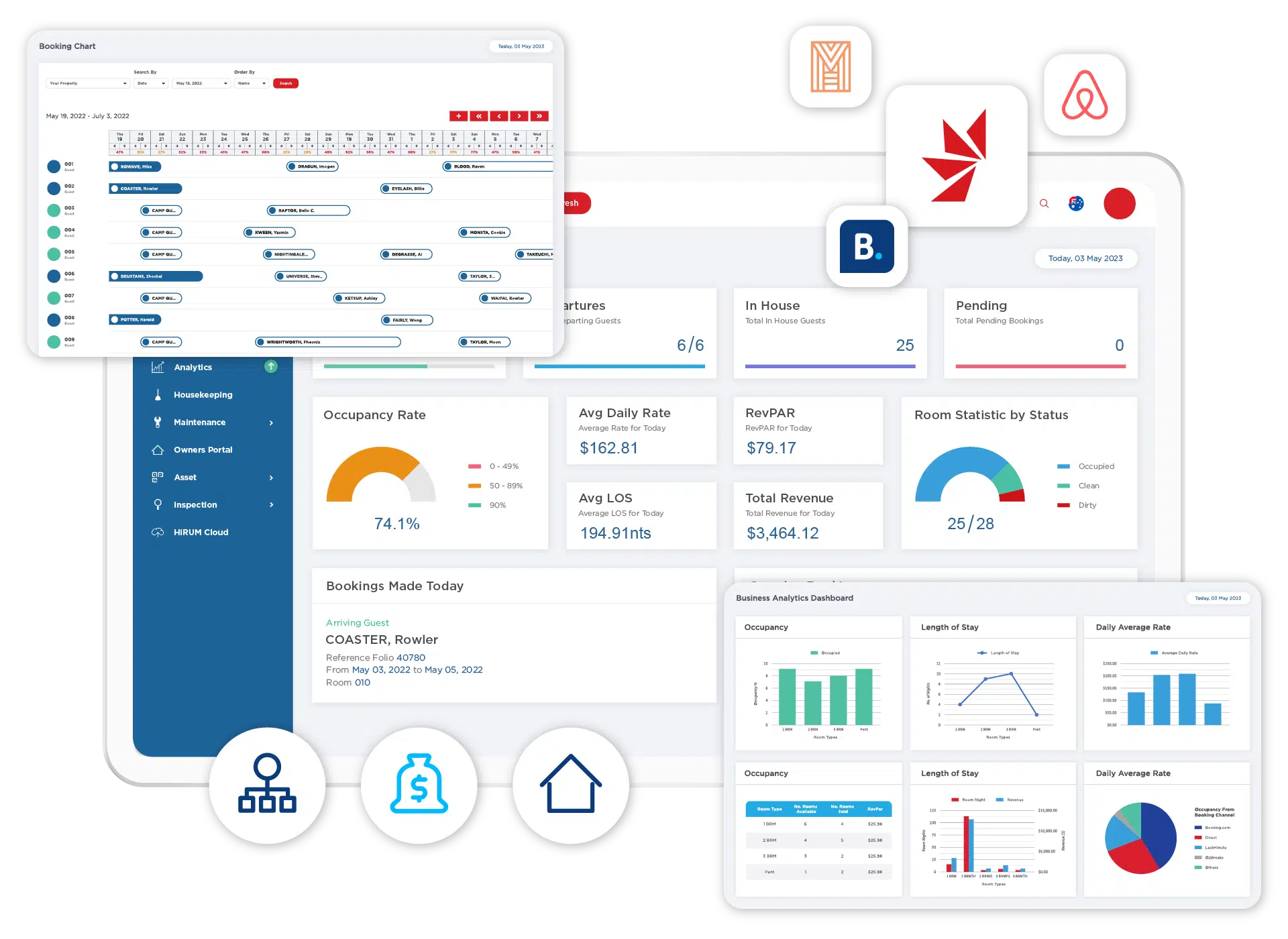
Using a PMS offers numerous benefits, including better organization, automation of repetitive tasks, more precise management of room availability, and an improved guest experience.
For example, when a guest books a room online, the PMS automatically updates room availability in real time, thus avoiding overbookings. Upon the guest's arrival, front desk staff can quickly access booking information and guest preferences, thereby providing more personalized service.
Billing is also simplified thanks to the PMS, which reduces potential errors. It doesn't stop there; it also updates rates on your website and sites like Booking based on demand, the number of bookings already made, and more.
By opting for a PMS, you streamline the guest experience and ensure they enjoy a high-quality stay.
Implementing interactive tools in a hotel is of paramount importance today. These digital solutions have a significant impact on the guest experience and the establishment's operational efficiency..
They improve the overall guest experience by allowing them to personalize their stay, access crucial information, and benefit from faster, more efficient service.
Among the most well-known tools are:
Thanks to kiosks located at the hotel reception, guests can handle their own check-in and check-out. This allows guests to arrive when they want, but more importantly, it frees up staff time for other tasks, always with the goal of improving the guest experience.

To promote guest independence, keys can be digitized. Using tools such as digital wallets like Apple Wallet or Google Wallet, it is possible to lock and unlock your room. This further enhances the guest experience and offers greater convenience.
There are other devices, such as QR codes, that allow for simple and quick access to the hotel menu or the various services offered. This also applies to the well-being of employees.

Introducing a digital business card in the hospitality industry will significantly improve the daily lives of employees in several ways. This tool simplifies networking and the management of professional contacts.
Employees, whether they are front desk staff, reservation managers, or hotel directors, can easily share their contact details or other information with guests and business partners with a simple gesture. This reduces the time spent manually recording information and minimizes transcription errors.
La digital business card allows employees to instantly access essential hotel information, such as rates, room availability, special offers, and management team contact details. They can also share information about upcoming events or local activities directly with guests.
Accor Group recently reinvented its CSR policy by adopting digital business cards. We have created a case study to understand why and how Accor chose digital business cards WEMET.

Integrating interactive tools is an essential investment for staying competitive in the modern hospitality industry and for providing an exceptional experience to every guest.
Thanks to these tools, guests can enjoy a more personalized experience, while hotels benefit from improved operational efficiency and reduced costs, creating a win-win situation for all parties involved.

The digital transformation of hotels aligns perfectly with Corporate Social Responsibility (CSR) trends by offering significant environmental and societal benefits.
Adopting digital technologies significantly reduces paper consumption by replacing traditional document management processes with digital solutions. This contributes to preserving trees and reducing waste production.
Hotels that invest in digital transformation are able to implement more sustainable practices by optimizing resource usage. For example, automated management of heating, ventilation, and air conditioning (HVAC) systems allows for substantial energy savings by adjusting these systems based on actual demand. Similarly, digital monitoring of water and electricity consumption promotes more responsible use of these essential resources.
Regarding the guest experience, digital transformation can also contribute to CSR by enabling guests to make more environmentally friendly choices.

WEMET is a Toulouse-based worktech company that aims to revolutionizing professional networking. In 2020, co-founder Samuel Dassa started with a simple observation:
paper business cards are impractical and no longer suited to today's working world.
And so, the smart business card was born: WeCard. Using NFC technology, the same kind found in contactless payments, it allows you to share a wide range of information. At WEMET, user experience is our core value. It was therefore essential for us to evolve our product through daily innovation, while ensuring it grows alongside you throughout your professional journey.
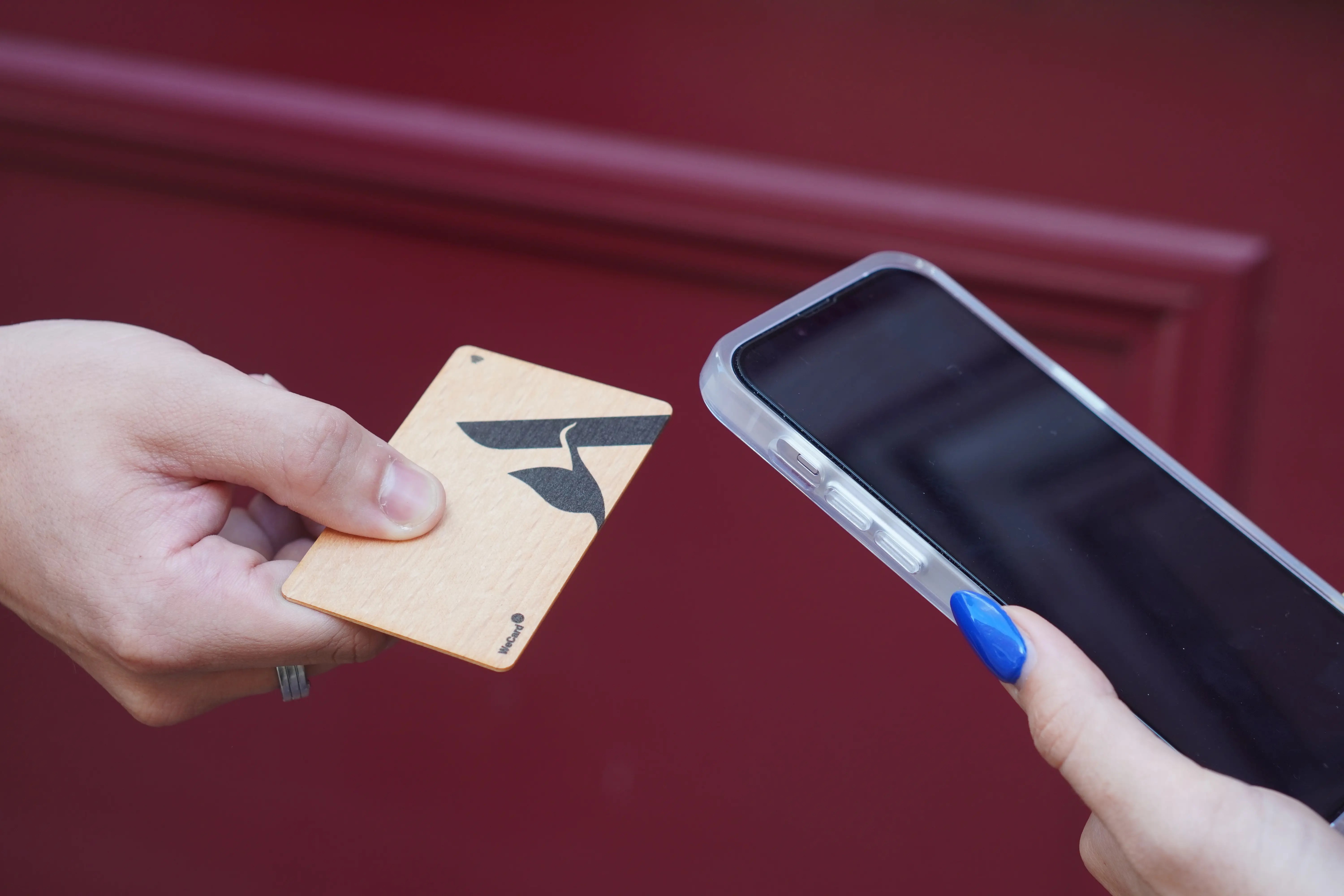
Available in recycled PVC (white, black) or upcycled wood, this smart business card is an eco-friendly tool that supports your career while helping to protect the environment.
Fully customizable, its content can be updated for free and in an instant, allowing you to stay current and share relevant information at any time. No more monthly costs or delays from reprinting your business cards.
With the smart business card, you can easily update your contact details and adapt your card as your career progresses, all in just a few clicks.