Design
À lire aussi
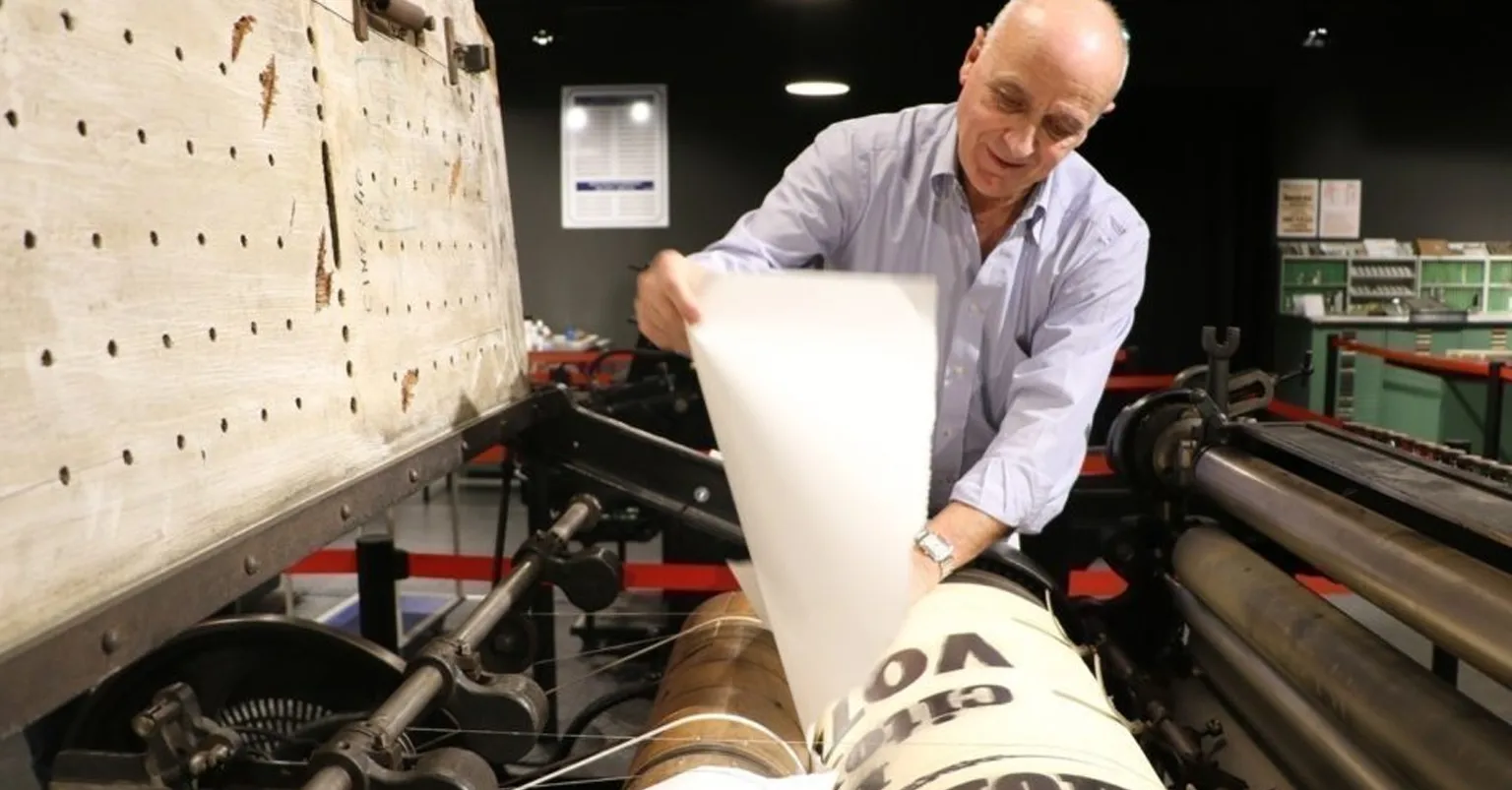
The printing market is going through a period of unprecedented structural transformation. The convergence between physical media and digital technologies is redrawing the contours of a sector that some imagined condemned by “all digital”.
.png)
Marketplace, Waalaxy integration, offline AI scanner, badge folders, multilingual app... WEMET is opening up to your ecosystem this month. Discover all the new features and our tips for getting the most out of them.

In a world where digital technology is taking up more and more space, business card remains an essential tool to stand out and create contact. Discover 4 tips for creating effective and original business cards that will help you make a good impression and differentiate yourself from the competition.
Your business card is an essential tool for sharing contact information and making a good impression. But with so much information to communicate, it is important to prioritize it so as not to drown out your interlocutor.
Here are the key elements to highlight:
Secondary information, such as mailing address or website, can be added in smaller quantities. Remember to check all information for accuracy before printing.
Additional tips:
By following these tips, you will create a professional and effective business card that will allow you to stand out.
When creating your business cards, it is essential to respect your company's graphic charter. This creates visual consistency and strengthens your brand identity.
Here are the key elements of your graphic charter to integrate into your maps:

Don't forget to:
If you do not have graphic design skills, do not hesitate to call on a professional to assist you in creating your business cards.
Chez WEMET, our graphic designers are available to help you create business cards that fit your needs and your brand image.
The format of your business cards is an important factor to consider when creating them. There is no hard and fast rule, but each format has its own pros and cons.
The landscape format, the most common, is intuitive and easy to store. It reads like a book, left to right, and fits perfectly into wallets and card holders.
The portrait format, on the other hand, offers more freedom in the layout and prioritization of information. It makes it possible to stand out and assert visual originality.
The final choice will depend on your preferences and goals. If you are looking for a classic and practical format, the landscape format is a good option. If you want to differentiate yourself and create a unique business card, the portrait format can be an interesting alternative.
Here are a few things to consider to help you choose:
Do not hesitate to ask a professional for advice to help you choose the format that best suits your needs.
In a world where everyone is the same, it's important to stand out. Your business cards are a unique opportunity to make a good impression and leave a lasting impression on your interlocutors. Feel free to think outside the box and create original business cards that reflect your personality and business. Here are a few ideas to inspire you:
The important thing is to create a business card that makes you want to keep it and that arouses curiosity. Remember that your business card is an extension of your brand image, so take care of every detail!
Here are some tips to help you create original business cards:
By following these tips, you'll create business cards that will help you stand out from the competition and reach your professional goals.
Don't forget to add your business cards to your checklist before each trip. You will never have enough business cards for everyone you meet!