Design

À lire aussi
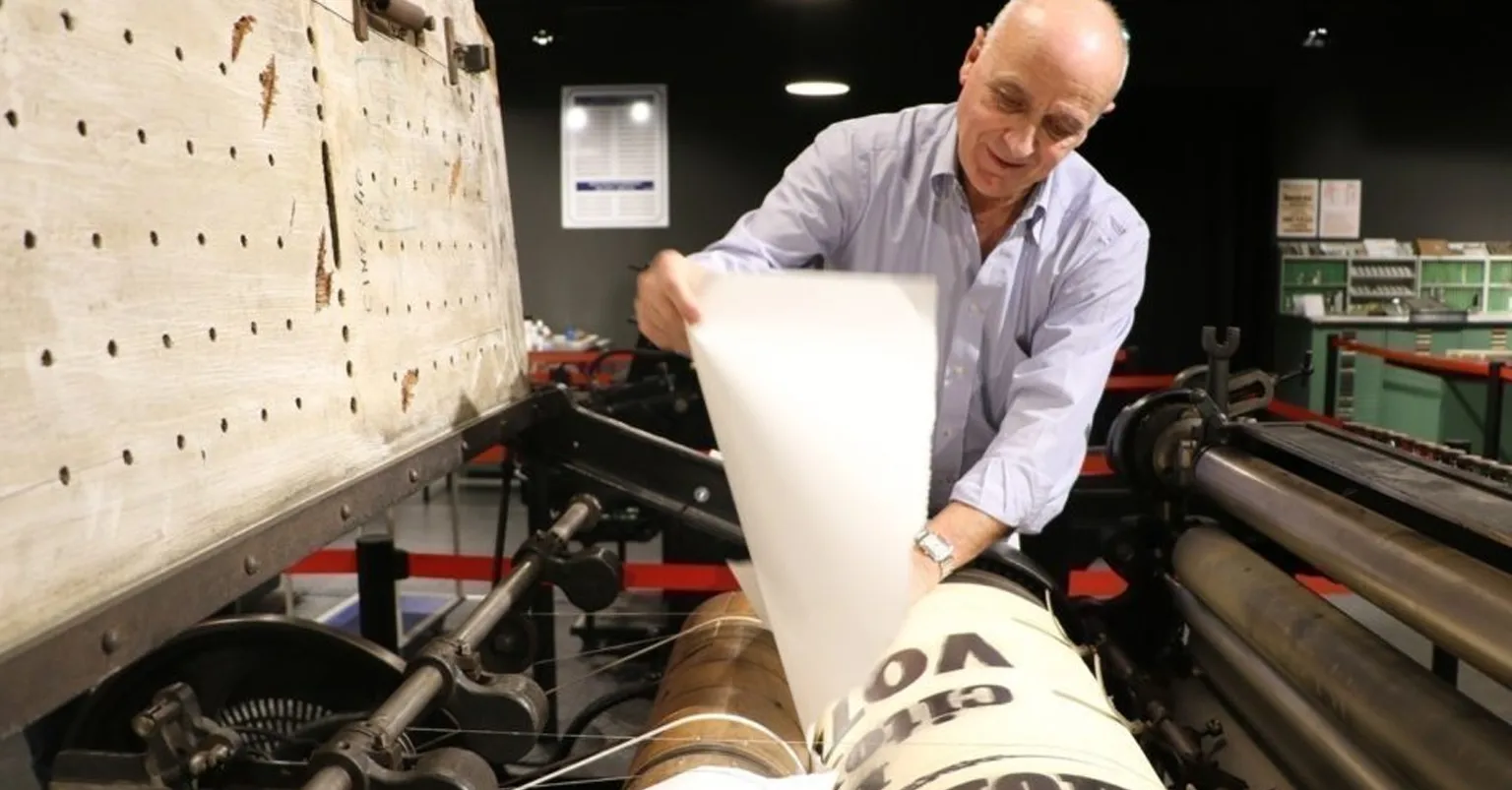
The printing market is going through a period of unprecedented structural transformation. The convergence between physical media and digital technologies is redrawing the contours of a sector that some imagined condemned by “all digital”.
.png)
Marketplace, Waalaxy integration, offline AI scanner, badge folders, multilingual app... WEMET is opening up to your ecosystem this month. Discover all the new features and our tips for getting the most out of them.
In a rapidly changing professional landscape, the sustainability of communication tools is becoming a strategic priority. While digital technology dominates, physical media must evolve to offer sustainability and interactivity. The PVC business card is thus the technical and aesthetic response to the requirements of 2026, combining material robustness and technological potential.

The evolution of professional interactions towards hybrid models requires communication media that can withstand the test of time and frequent manipulation. La PVC business card is no longer content with being a simple alternative to paper: it represents a major technical upgrade for companies concerned about their brand image. In 2026, the choice of polyvinyl chloride (PVC) or its recycled alternatives meets a concrete need: to reduce the frequency of reprinting while increasing the perceived impact.
Unlike traditional cards, which often end up deteriorated, plastic cards maintain their structural and visual integrity over several years. Current industrial standards, in particular the ISO 7810 standard (credit card format), guarantee universal compatibility and a familiar grip. Adopting this format signals a modern and sustainable approach to business, where every detail counts, from the thickness of the support to the quality of the print.
The technical superiority of the PVC business card lies above all in its intrinsic physical properties. Generally manufactured in a standard thickness of 0.76 mm (760 microns), identical to that of a bank card, it offers rigidity and resilience that paper, even at a heavy weight (350g or 400g), cannot match. By nature, this material is tear-proof and waterproof.
Concretely, a plastic card is resistant to humidity, coffee stains, repeated friction and UV rays. Where a paper card starts to crumble or turn yellow after a few weeks, PVC maintains the brilliance of colors and the legibility of information for more than 5 years.
For exposed sectors such as construction, catering or events, this mechanical resistance is an operational necessity. Your contact details remain usable in all circumstances.
The psychological impact of a PVC business card when presented is immediate. The weight, the smooth texture and the rigidity of the support subconsciously transmit values of solidity, reliability and prestige. In a saturated competitive environment, you need tools that capture attention. PVC allows high-end finishes that are inaccessible to standard paper.
The visual appearance, whether matt, glossy or satin, benefits from greater color depth thanks to plastic printing techniques. The possibility of using transparent or translucent PVC opens up unique creative horizons, allowing you to play with light to create an object that the prospect will hesitate to throw away. It is a tool of loyalty powerful, thus strengthening the presence of the brand in people's minds.
If the initial unit cost of a PVC business card is higher than that of paper, the 36-month Total Cost of Ownership (TCO) analysis reveals increased profitability. The economic model switches from volume consumption to a logic of value and sustainability.
Here is a structural comparison of profitability and use:
Opting for PVC makes it possible to drastically reduce order cycles and associated logistics. A recurring expense is transformed into an investment that is amortized over time.
The flexibility of PVC allows for an impressive variety of customization options. Professionals can choose between a classic white background for maximum readability or a black background for elegance. The finishes play an essential role: the 3D selective varnish makes it possible to highlight the logo, while the matt or glossy lamination protects the print while modifying the touch.
The industry is evolving towards more virtuous practices. At WEMET, we offer custom PVC cards with local eco-responsible manufacturing, using recycled or upcycled materials to reconcile aesthetic requirements and environmental commitment. This approach makes it possible to benefit from the robustness of plastic while minimizing the carbon footprint associated with production, a powerful argument in current CSR policies.
The PVC business card is no longer a simple inert medium. It becomes a key to access the company's digital ecosystem. The integration of electronic chips transforms this physical medium into a powerful connected tool, materializing the convergence between hardware and software.
We integrate the NFC technology in our connected PVC cards, allowing the instant data sharing by simple reconciliation with a smartphone, without requiring a third party application. This “contactless” feature makes it possible to transmit a complete vCard, links to social networks, or an online portfolio in a few seconds. Unlike printed QR codes that remain static, the NFC chip refers to a dynamic digital profile, editable at any time. The information transmitted is always up to date, which extends the relevance of the physical map indefinitely.
The versatility of PVC makes it possible to meet the specific constraints of each profession. In the building and industrial sectors, shock and dust resistance are essential. In hotels and luxury, it is the “membership card” aspect that enhances the brand image. For their part, itinerant salespeople benefit from the ease of storage in a wallet without the risk of cornering the edges.
This adaptability explains the massive adoption of this technology.
WEMET now equips more than 20,000 companies in various sectors, from technological startups to large industrial groups, proof that the transition to smart PVC cards Is a cross-sectional background trend.
Whether for sales teams or managers, the standardized format and the robustness of the support meet the most stringent operational requirements.
The graphic creation of a PVC card follows specific rules to ensure optimal rendering. Unlike paper, which absorbs ink, PVC keeps it on the surface, offering brighter and more saturated colors. Work with files in CMYK color mode and a minimum resolution of 300 DPI to ensure perfect text and logo sharpness.
When designing the design, readability must come first. Since space is limited (generally 85.60 x 53.98 mm), information must be prioritized. On a transparent medium, the use of a “support blank” is often necessary under texts and graphic elements to make them opaque and legible. Also, provide safety margins (lost edges) of at least 2 to 3 mm to prevent important items from being cut. An experienced graphic designer will know how to exploit the specificities of the material, such as transparency, to create a visual that immediately distinguishes the company.
At WEMET, we have in-house graphic designers to help you create your design
The plastic printing process requires particular technical expertise, including the use of UV offset presses or thermal retransfer printers to ensure the adhesion of the inks. Once the file is validated, production often includes a lamination step (overlay) that protects the card against abrasion.
For companies managing many employees, the challenge is also logistical. WEMET proposes an approach to centralized management to easily deploy employee cards: via a dedicated SaaS platform, companies can order, configure and update the cards of all their teams in a few clicks. This centralization eliminates tedious back and forth with traditional printers and ensures perfect uniformity of the graphic charter across all distributed media.
In 2026, the PVC business card transcended its primary function as a simple information medium to become a sustainable and rewarding connection tool. It combines the physical resilience required for intensive use with the technological capabilities of contactless technology.
For professionals, invest in this type of support means choosing long-term profitability, strengthening your brand image and simplifying trade management.
Faced with the rapid obsolescence of traditional paper cards, PVC, especially when combined with technologies such as NFC and managed via centralized platforms, is establishing itself as the essential standard for modern and responsible professional communication.
A PVC business card is a communication medium made of polyvinyl chloride, a sturdy and durable plastic. It generally respects the standard ISO 7810 format (85.6 x 54 mm), identical to a bank card, and can integrate technologies such as NFC.
The choice of PVC is justified by its lifespan of more than 5 years, its total resistance to water and tears, and its premium appearance. Unlike paper, which degrades quickly, PVC maintains an impeccable professional image over time.
Yes, PVC cards can be recycled via channels specialized in the recovery of industrial plastics. Solutions like those from WEMET favor the use of recycled or upcycled PVC to minimize the environmental impact during production.
Customization involves the choice of the type of PVC (white, black), finishes (selective varnish, gilding, matt or glossy effect) and the integration of connected functionalities. Use high-definition vector files and call on experts to manage the specificities of printing on plastic.