Marketing and sales

À lire aussi
The printing price is just the tip of the iceberg: 7 hidden costs that drive up the real bill for your business cards.
.png)
Marketplace, Waalaxy integration, offline AI scanner, badge folders, multilingual app... WEMET is opening up to your ecosystem this month. Discover all the new features and our tips for getting the most out of them.
In recent years, many sectors of activity have had to adapt to what could be called a digital revolution. The liberal professions are no exception to this wave of modernization. Working methods have changed dramatically with the rise of many new technologies, so it is interesting to see how professionals adapt.
Si l'on pense souvent au médecin dans le secteur de la santé ou à l'architecte dans le bâtiment, on peut affirmer que l’ensemble des professions libérales est touché par ce virage digital. Néanmoins, nous allons nous focaliser ici sur les métiers du droit et du chiffre, car ils sont particulièrement impactés par ces mutations. On parle donc de la transformation qui touche :
Cette évolution offre un éventail de bénéfices inestimables pour ces experts, améliorant considérablement leur quotidien.
La transition vers des solutions technologiques peut être un processus stimulant. Parmi les principaux obstacles, on trouve souvent la résistance au changement, les inquiétudes liées à la confidentialité et l'évolution des usages. Toutefois, ces défis peuvent être surmontés avec la bonne approche.
Pour faire face à la résistance, il est crucial d'accompagner les équipes et de fournir une formation adéquate. Il faut impliquer les collaborateurs dès le début du processus et démontrer comment ces outils peuvent simplifier leur travail.
Pour combler le manque de compétences techniques, il est envisageable de collaborer avec des spécialistes. La formation continue est essentielle pour développer de nouvelles aptitudes et exploiter pleinement les atouts de la dématérialisation. En surmontant ces obstacles de manière proactive, les cabinets peuvent tirer parti de cette modernisation tout en maintenant l'excellence de leurs services.
La digitalisation des professions libérales est un domaine en constante évolution. Dans les années à venir, l'intelligence artificielle (IA) devrait jouer un rôle de plus en plus crucial.
L'intelligence artificielle est en train de révolutionner le secteur à une vitesse fulgurante. Elle permet aux professionnels d'automatiser des tâches qui étaient autrefois chronophages. Par exemple, elle peut analyser des milliers de pages de documents pour repérer des informations cruciales en quelques secondes. De même, dans le domaine du chiffre, l'IA peut traiter d'énormes ensembles de données et détecter des anomalies, aidant ainsi les experts-comptables à identifier rapidement des problèmes potentiels.
En plus de l'automatisation, l'intelligence artificielle fournit des analyses précieuses. Elle aide les juristes à rechercher des précédents ou à prédire les résultats de litiges. Les comptables peuvent l'utiliser pour générer des rapports financiers détaillés, offrant ainsi un service plus proactif.
La blockchain est une autre technologie majeure qui suscite un grand intérêt. Elle permet le stockage et la transmission d'informations de manière sécurisée, transparente et décentralisée.
Dans le contexte des professions libérales, elle a le potentiel de révolutionner la gestion des contrats et des transactions. Elle permet de créer des "smart contracts" qui s'exécutent automatiquement lorsque les conditions définies sont remplies, simplifiant la gestion et réduisant les risques de litiges.
De plus, la blockchain offre un niveau de sécurité sans précédent. Chaque transaction est enregistrée de manière immuable, ce qui rend la falsification de données extrêmement difficile. Les notaires peuvent l'utiliser pour garantir l'intégrité des actes, tandis que les financiers l'utilisent pour sécuriser les flux. C'est une technologie clé pour garantir l'authenticité des échanges électroniques.
Pour rester compétitifs, il est impératif de se tenir informé de ces évolutions. Suivre l'actualité, participer à des formations et s'engager dans un réseau professionnel sont des moyens efficaces de rester à jour. Ceux qui sauront intégrer ces nouvelles technologies seront mieux positionnés pour répondre aux besoins changeants de leurs clients.
Les CRM s'imposent comme des outils incontournables pour tout cabinet moderne, qu'il s'agisse d'une TPE ou d'une grande structure. Ces solutions permettent de gérer efficacement les relations avec les entrepreneurs et particuliers, de rationaliser les processus et d'améliorer la qualité des services.
Les CRM centralisent les données, facilitant l'accès aux informations cruciales et assurant une communication fluide. Ils offrent la possibilité de suivre les interactions, ce qui permet un service personnalisé. L'automatisation des tâches, comme la facturation ou les relances, réduit la charge de travail administratif, libérant du temps pour l'expertise métier.
En fin de compte, l'adoption d'un CRM améliore l'efficacité opérationnelle et renforce la satisfaction client dans un environnement concurrentiel.
La technologie NFC offre une connexion rapide et sécurisée entre dispositifs compatibles. Pour les experts-comptables, avocats et notaires, les cartes de visite électroniques sont un atout majeur pour leur visibilité.
Ces cartes permettent un transfert instantané de coordonnées, de liens vers le site web ou le profil social (LinkedIn) lorsqu'elles sont approchées d'un smartphone. Elles offrent une interaction moderne, simplifient la prise de rendez-vous et permettent le suivi de l'interaction. C'est un moyen efficace de se démarquer et de faciliter l'accès à vos services.
Pour les professionnels du droit, cet outil renforce l'image de marque tout en respectant les codes de déontologie. Vous pouvez par exemple découvrir les spécificités de la carte de visite avocat pour comprendre comment elle s'adapte à vos besoins.
WEMET est une worktech toulousaine qui vise à révolutionner les échanges professionnels. En 2020, son cofondateur Samuel Dassa part d’un constat :
les cartes de visite papiers ne sont pas pratiques et plus adaptées au monde du travail actuel.
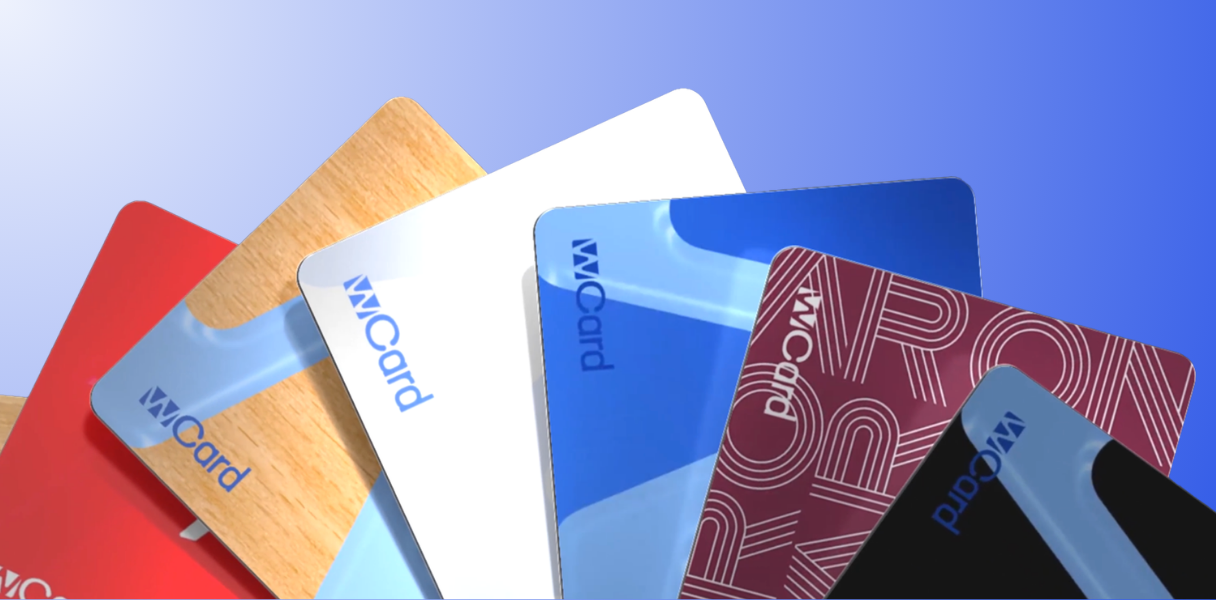
Ainsi, est née la carte de visite connectée : la WeCard. Grâce à la technologie NFC, que l’on retrouve dans le paiement sans contact par exemple, elle vous permet d’échanger un large panel d’informations. La valeur clé chez WEMET c’est l’expérience utilisateur. Il était donc important pour nous de faire évoluer notre produit en innovant au quotidien mais également de vous garantir un produit qui évolue avec et tout au long de vos projets professionnels.

Première société à proposer la carte de visite connectée sur le marché français, WEMET compte aujourd’hui plus de 20 000 entreprises équipées, 200 000 utilisateurs de WeCards et plus de 10 collaborateurs.